
Structural investigation and NDT
Investigations to assess concrete, reinforcement and existing structures. Select the method for the material, access conditions and question being investigated. Some investigations require sampling or local surface damage.
Confirm the test method, sample requirements and applicable accreditation scope before booking.
-
Concrete Carbonation Test
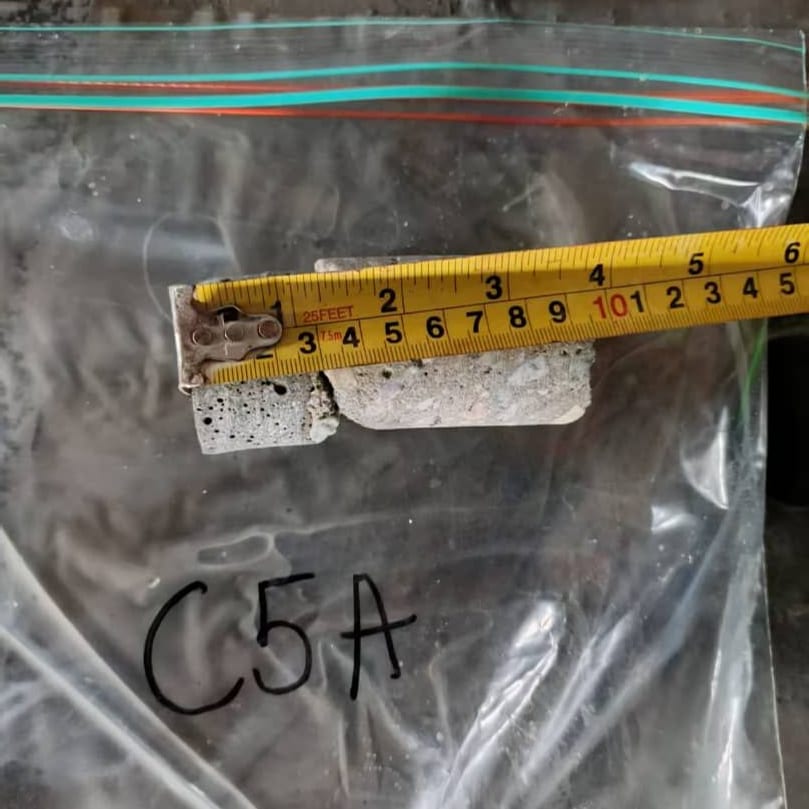
Carbonation testing assesses the depth of carbonation in concrete. Results support assessment of reinforcement corrosion risk alongside cover and condition information.
-
Concrete Cover Measurement Test
Cover measurement surveys locate reinforcement and assess the depth of concrete cover. Results support comparison with drawings and project requirements.
-
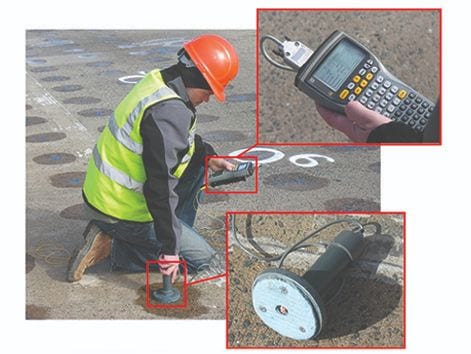
Concrete Surface Resistivity Testing (Resipod)
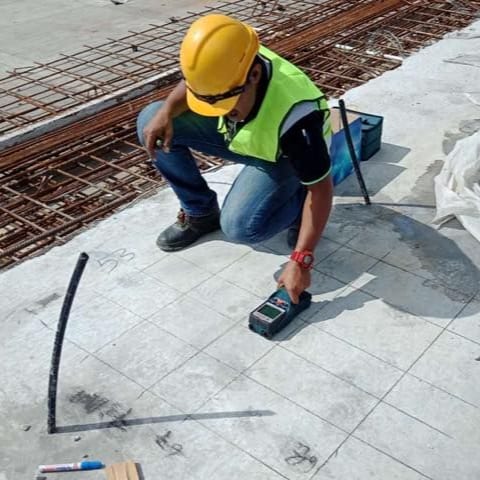
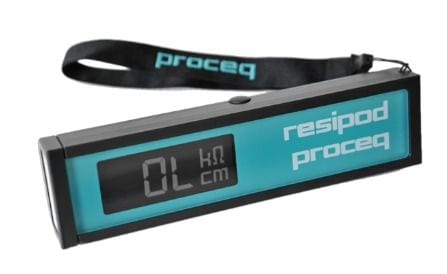
Surface electrical resistivity testing of concrete to support durability and corrosion-risk assessment. Results require interpretation alongside concrete condition and exposure.
-
Ground Penetrating Radar (GPR)
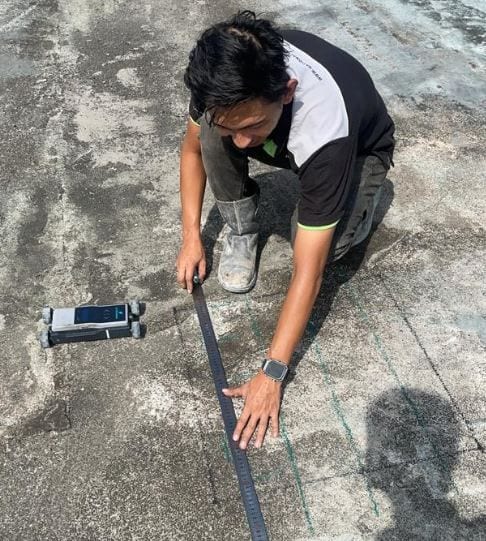
Ground-penetrating radar surveys to investigate embedded objects and subsurface features in concrete, soil or asphalt. Detection depends on material and site conditions.
-
Half-Cell Potential / Rebar Corrosion Test
Half-cell potential testing assesses the likelihood of active corrosion in reinforcement. It does not directly measure corrosion rate.
-
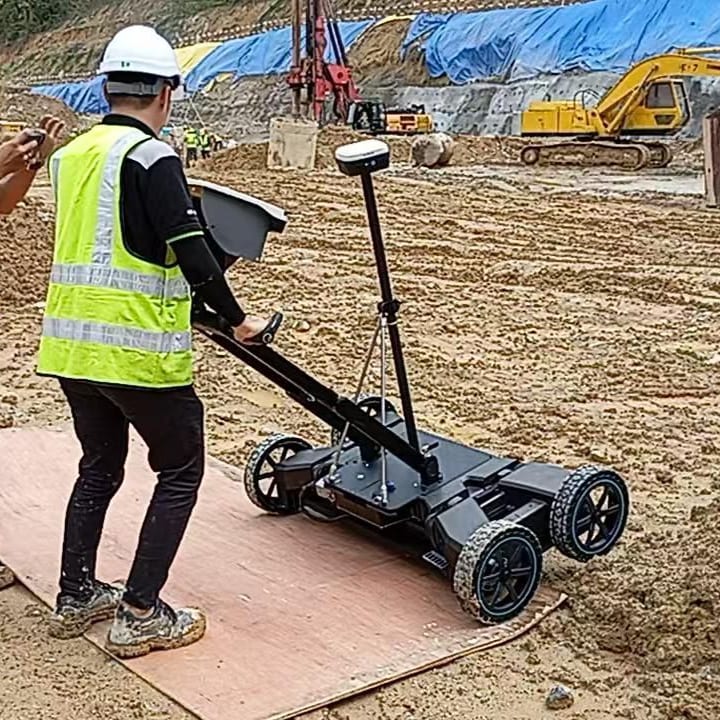
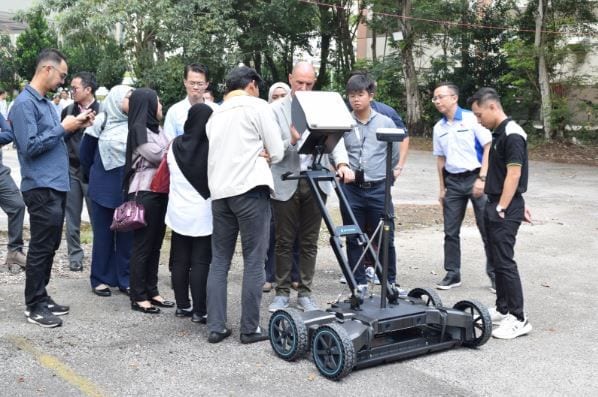
Multichannel GPR Mapper testing
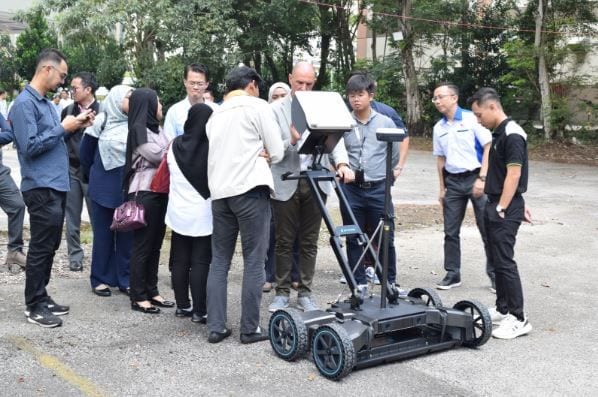
Multichannel ground-penetrating radar surveys to investigate buried utilities and subsurface features. Detection depth and resolution depend on the ground, target and survey conditions.
-
Non-Destructive Testing
Non-destructive testing to investigate materials and structural components. The method is selected for the material, access and inspection objective.
-
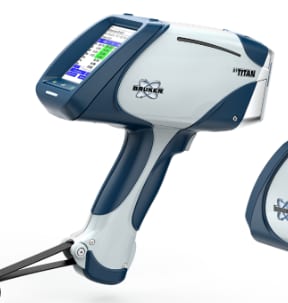
Portable X-Ray Fluorescence (XRF)
Portable X-ray fluorescence analysis to investigate elemental composition. Suitability, sample preparation and reporting limits depend on the material and required elements.
-
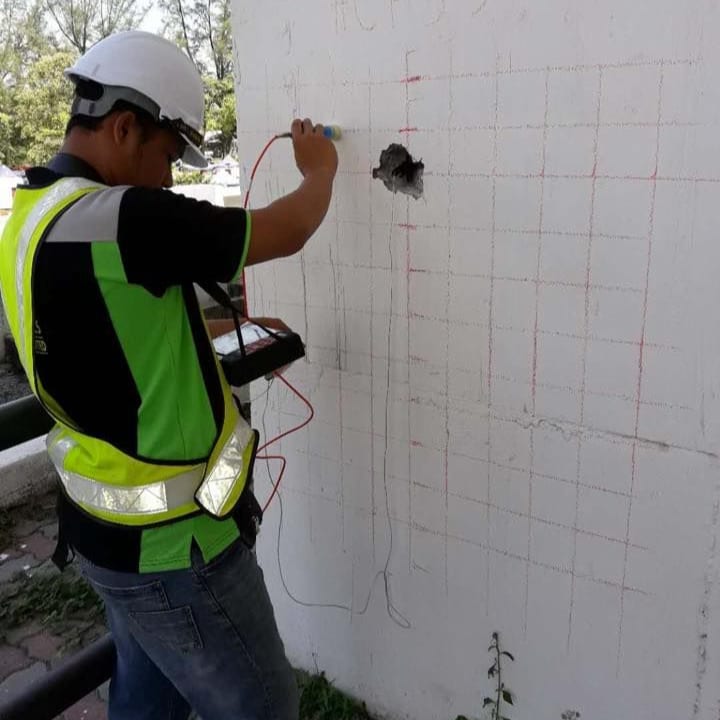
Profometer Rebar and Cover Measurement
Electromagnetic cover surveys to locate reinforcement and measure concrete cover. Results support checks against drawings and the specified cover requirements.
-
Pull-Out Test
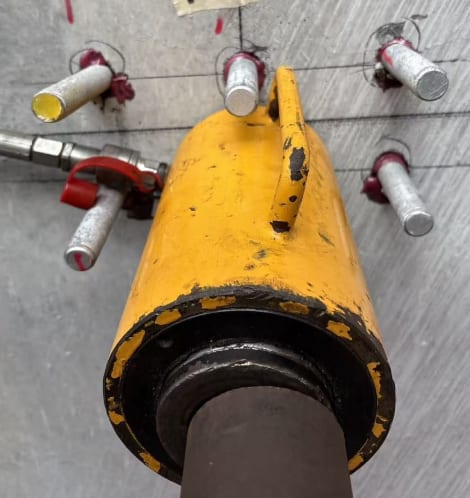
Pull-out testing measures the force required to remove an embedded insert from concrete. Estimation of concrete strength requires the appropriate test method and correlation. Local damage occurs at the test point.
-
Rebar Mapping Test
Rebar mapping locates reinforcement and records its arrangement in concrete. Survey findings support planning for assessment, drilling or coring, subject to the method’s limits.
-
Rebound Hammer Test
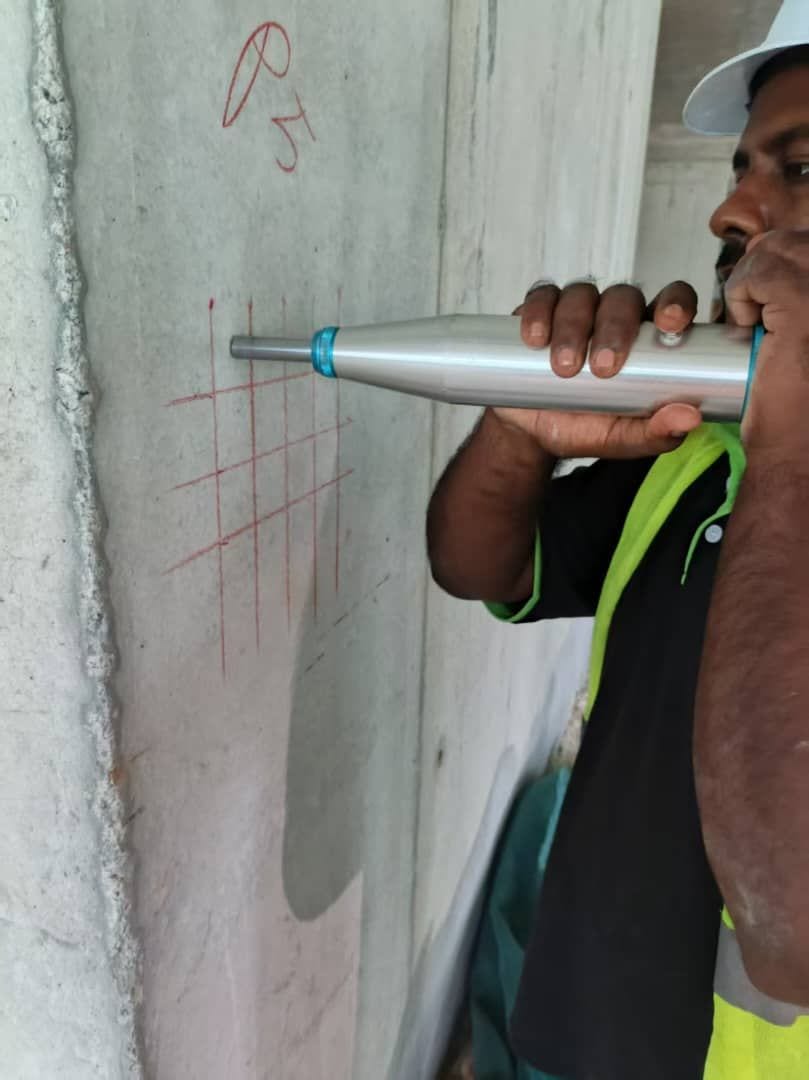
Rebound hammer testing measures concrete surface rebound. Strength estimates require an appropriate correlation and are affected by surface condition.
-
Structural Load Test
Controlled load testing records the response of a structural element or assembly under an agreed test load. Loading, monitoring and acceptance criteria require an engineered test plan.
-
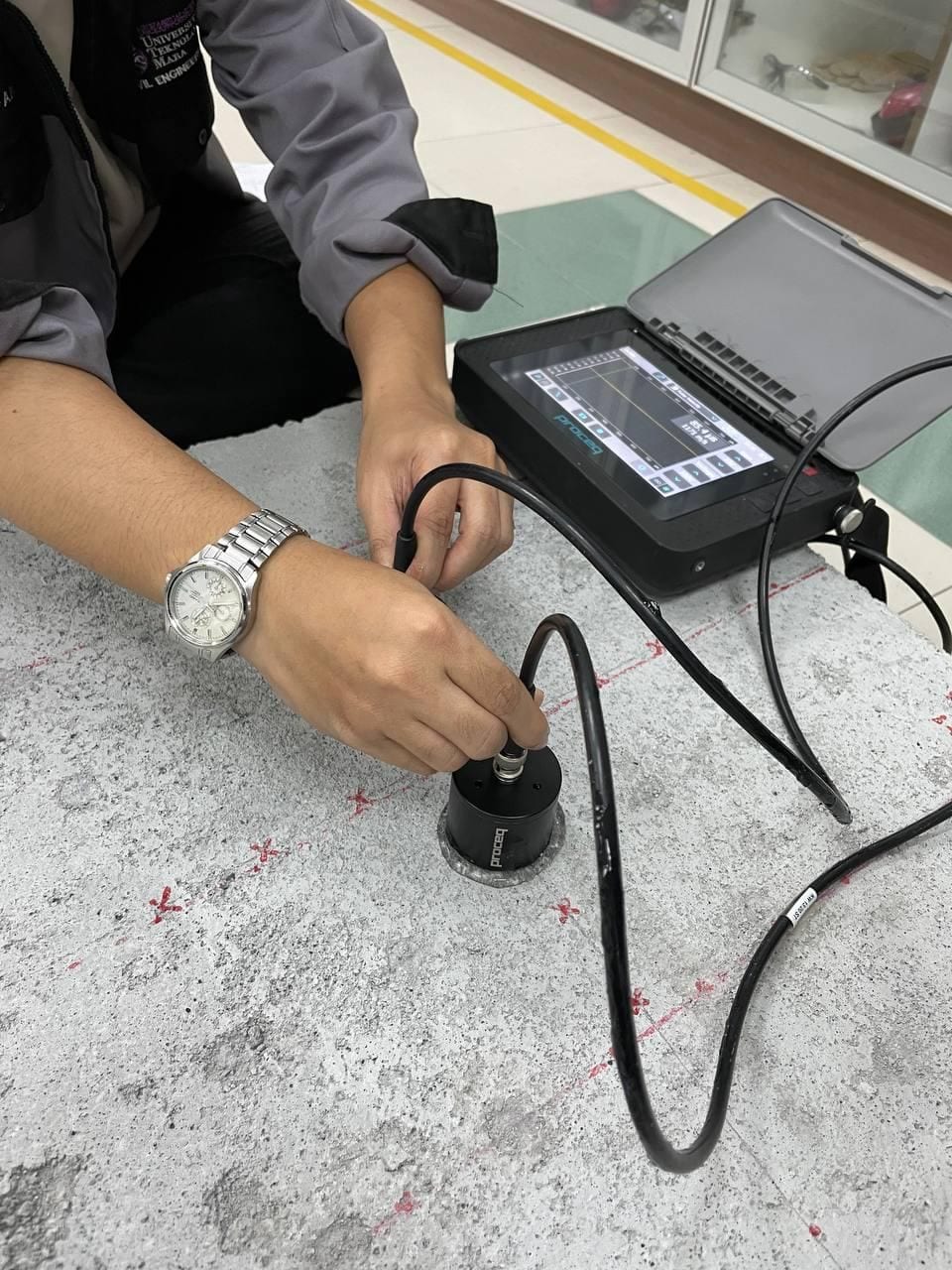
Ultrasonic Pulse Echo (UPE) Testing
Ultrasonic pulse-echo testing to investigate internal features and thickness in concrete. Suitable access and test conditions are assessed before the survey.
-
Ultrasonic Pulse Velocity (UPV) Testing
Ultrasonic pulse-velocity testing measures the travel speed of pulses through concrete to assess uniformity and identify areas for further investigation. It is not a direct measurement of compressive strength.
-
Windsor Probe Test
Windsor probe testing uses penetration resistance to estimate concrete strength through an appropriate correlation. The probes cause local surface damage.
Discuss your testing requirements
Share the structure, inspection objective, available drawings and access conditions.