Soil laboratory testing
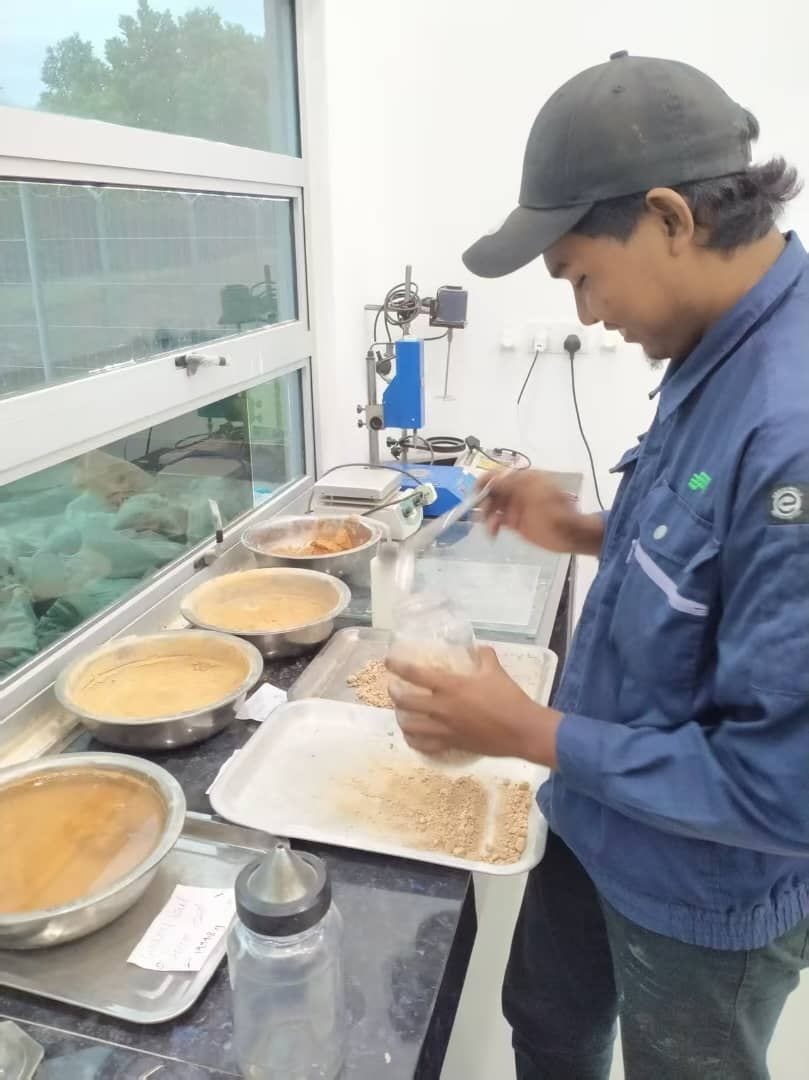
NatTest Lab performs soil laboratory testing for NattestGeo. Select the classification and engineering tests for your samples and project requirements.
Testing through NatTest Lab
Confirm the test methods, laboratory location, report issuer and applicable accreditation scope before booking. NatTest Lab’s accreditation does not extend to NattestGeo or to every test.
Soil tests by NatTest Lab
-
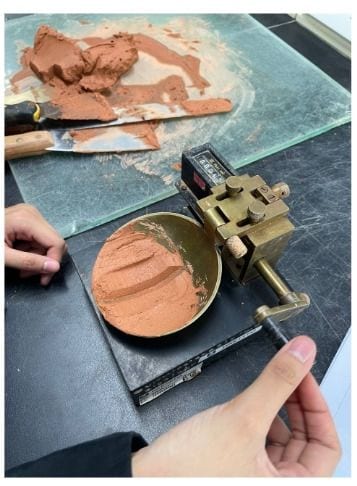
Atterberg Limits Tests
Atterberg limits testing assesses the consistency and plasticity of fine-grained soil. Results support soil classification.
-
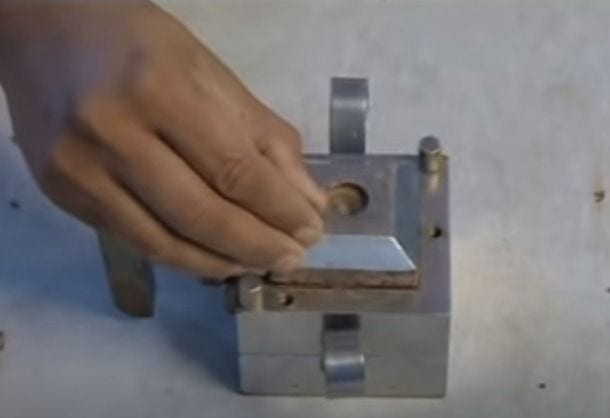
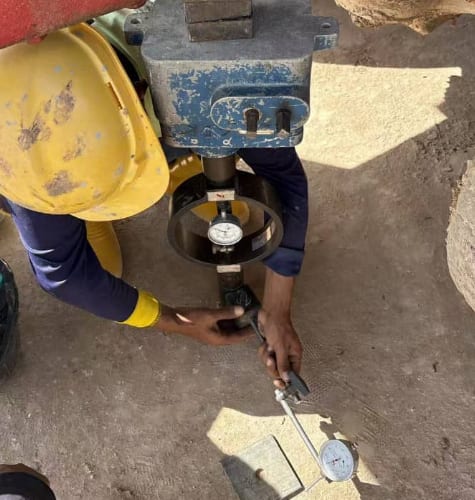
Direct Shear Test
Direct shear testing measures soil resistance along a defined shear plane under an applied normal load. Results support assessment of shear-strength parameters.
-
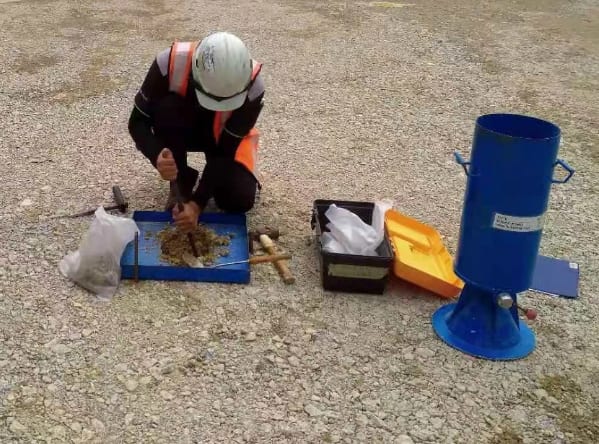
Field Density Test (FDT)
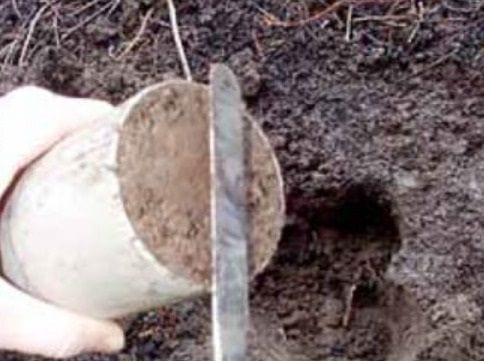
Field density testing measures the density achieved in placed soil or fill. Results can be compared with the specified compaction criteria.
-
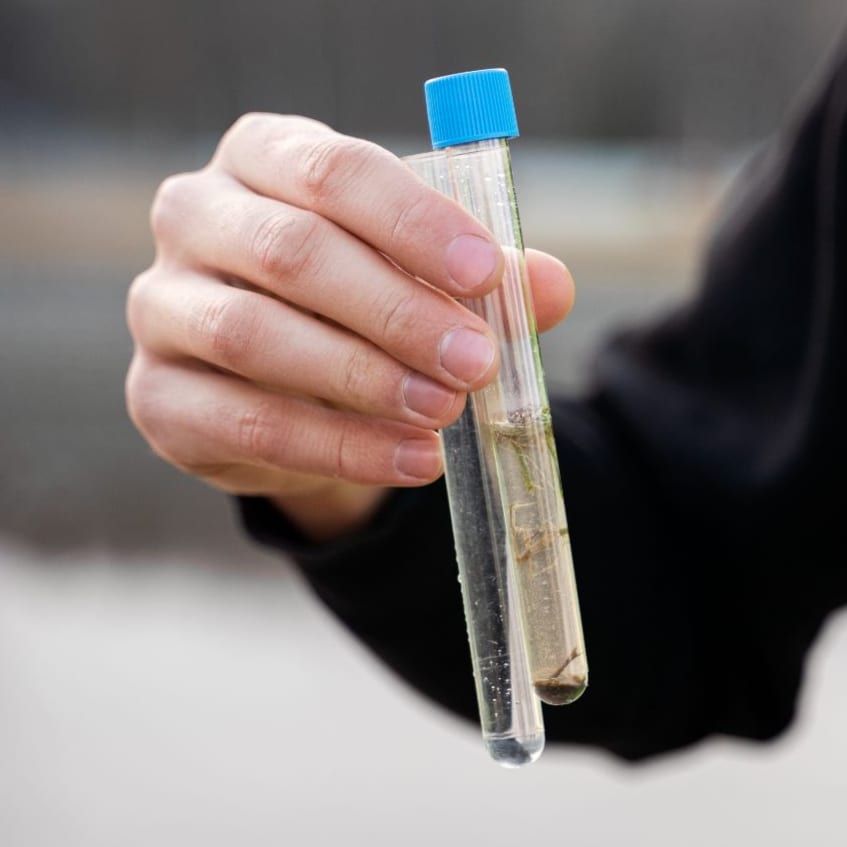
Hydrometer Test
Hydrometer analysis determines the particle-size distribution of fine soil fractions from their settling behaviour. It complements sieve analysis.
-
In-Situ California Bearing Ratio (CBR) Test
In-situ CBR testing measures resistance to penetration in pavement support materials. Results support assessment of subgrade, sub-base and base layers.
-
Laboratory California Bearing Ratio (CBR) Test
Laboratory CBR testing measures penetration resistance in prepared soil or pavement-material specimens. Preparation and soaking conditions are specified for the test.
-
Linear Shrinkage Test
Linear shrinkage testing measures the reduction in length of a prepared soil sample as it dries. Results support soil classification and shrinkage assessment.
-
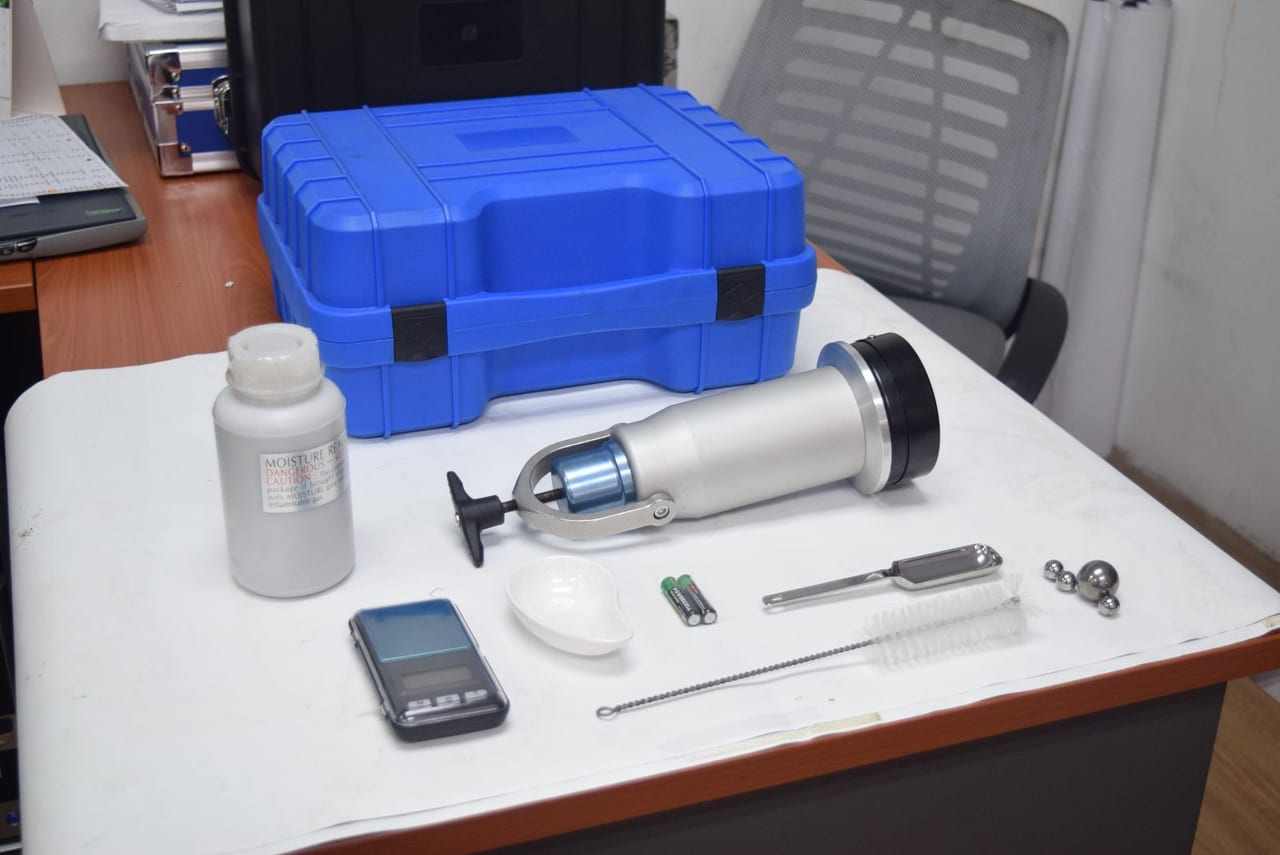
Moisture Content Test
Moisture content testing measures water content relative to the dry mass of a soil sample. Results support soil classification and compaction assessment.
-
Particle Density Test
Particle density testing measures the density of soil solids. Results support calculations of soil volume relationships and related properties.
-
Particle Size Distribution
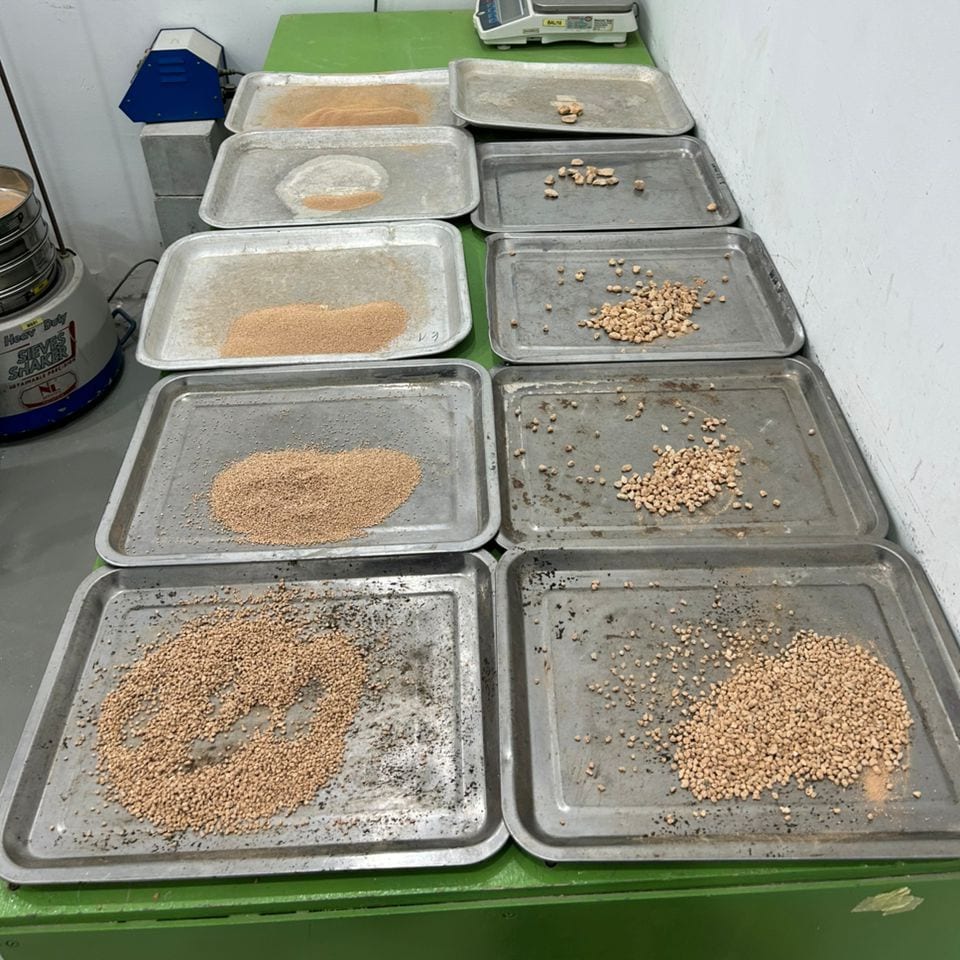
Particle-size analysis determines the distribution of soil sizes. Sieve and hydrometer methods are selected for the sample’s coarse and fine fractions.
-
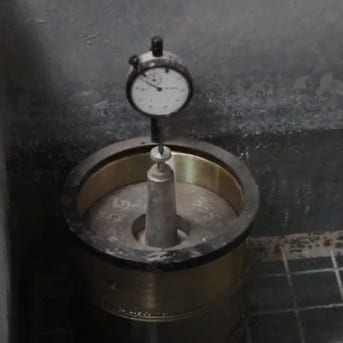
Plate Bearing Test
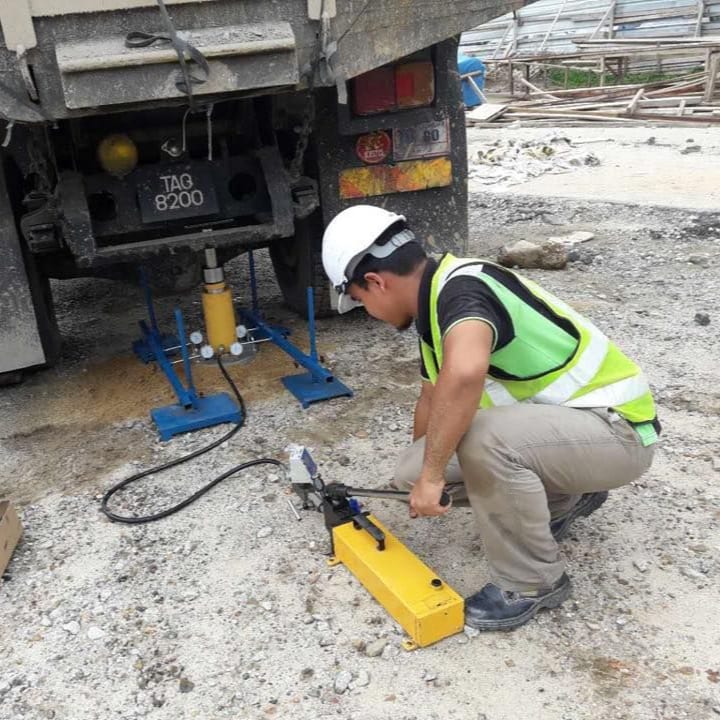
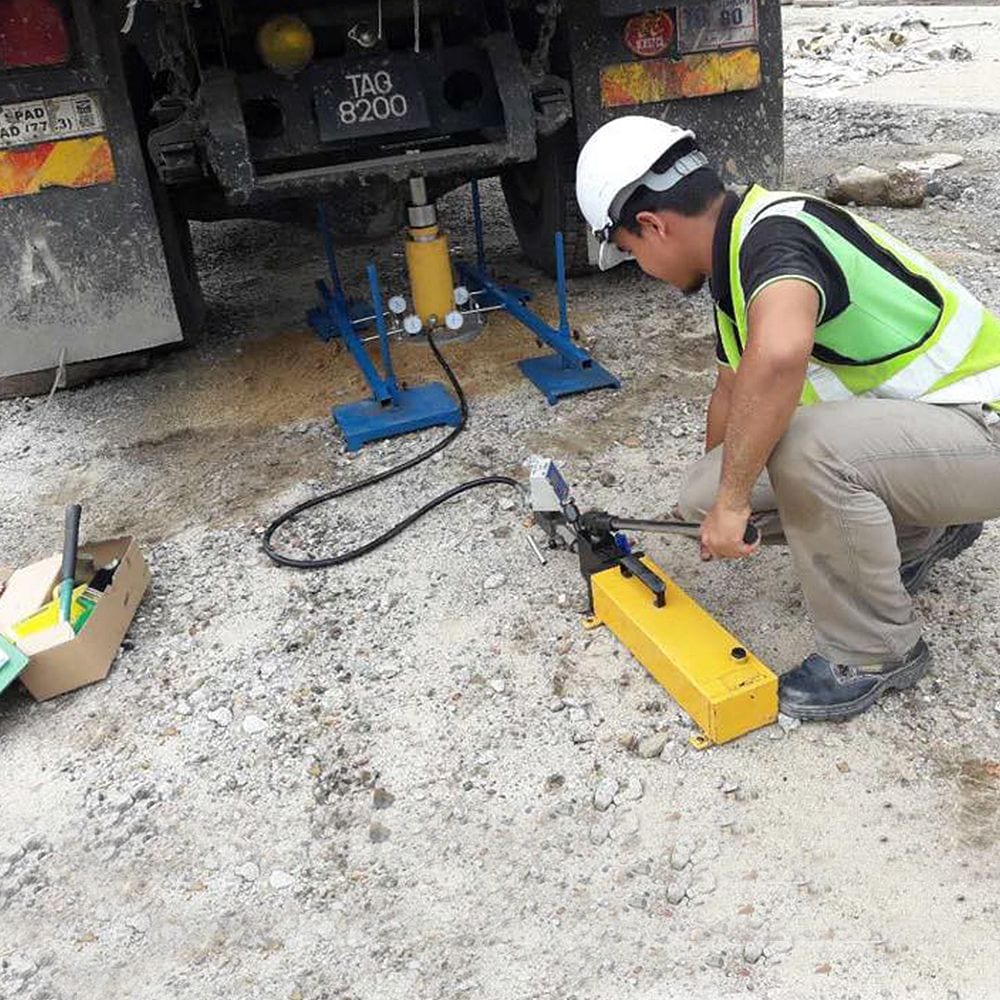
Plate bearing testing measures ground settlement under an applied plate load. Results support assessment of load–settlement behaviour at the test location.
-
Point Load Test
Point load testing determines a rock strength index. Any estimate of uniaxial compressive strength requires an appropriate correlation.
-
Proof Rolling Test
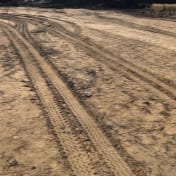
Proof rolling identifies visible movement or weak areas in prepared ground under an agreed vehicle load. It is a field observation, not a direct measurement of soil strength.
-
Soil Bulk Density Test
Bulk density testing measures soil mass per unit total volume, including pore spaces. The report should distinguish bulk and dry density where required.
-
Soil Compaction Test
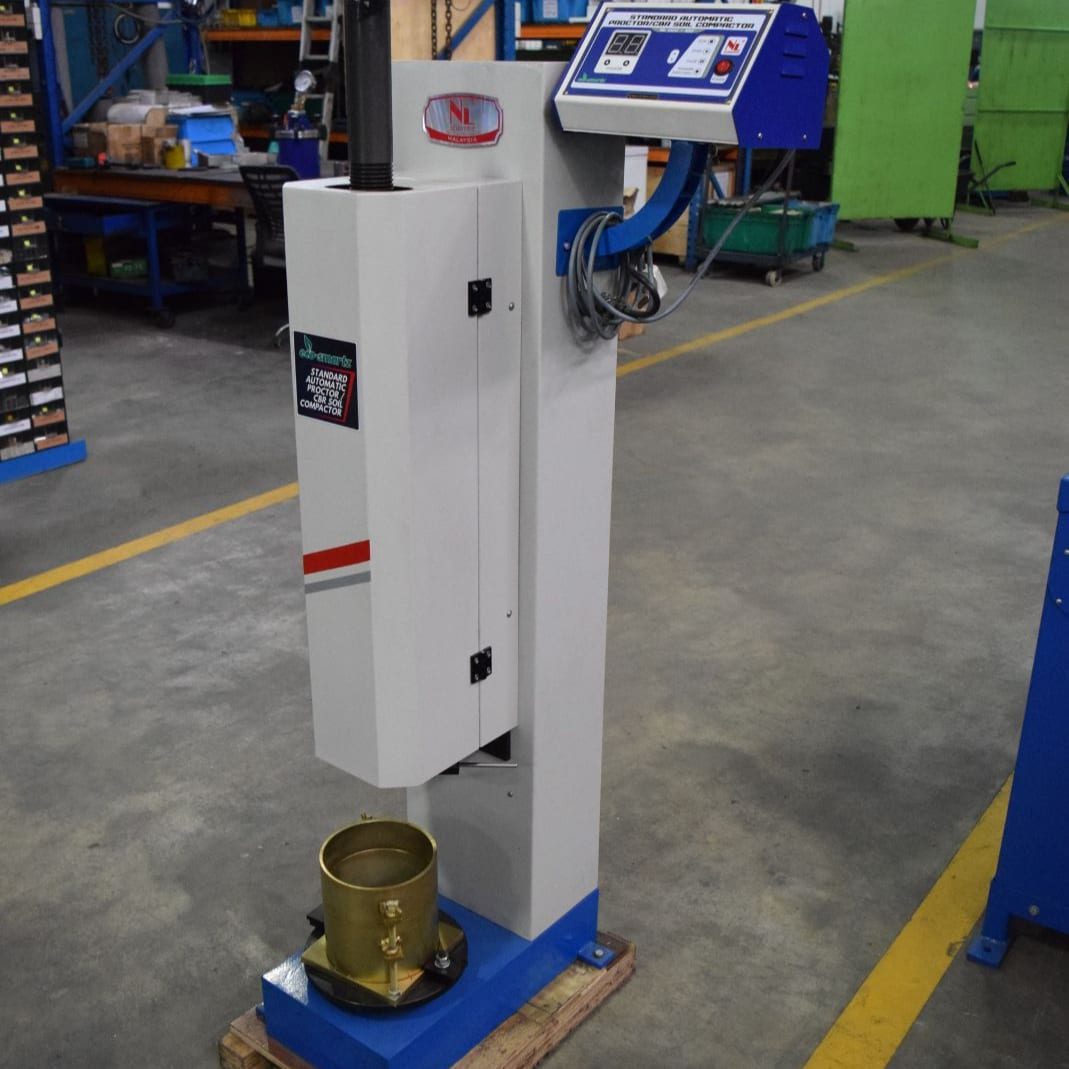
Compaction testing establishes the relationship between moisture content and dry density. It determines maximum dry density and optimum moisture content for the selected compaction method.
-
Specific Gravity of Soil Test
Specific gravity testing compares the density of soil solids with that of water. It is a dimensionless ratio used in geotechnical calculations.
-
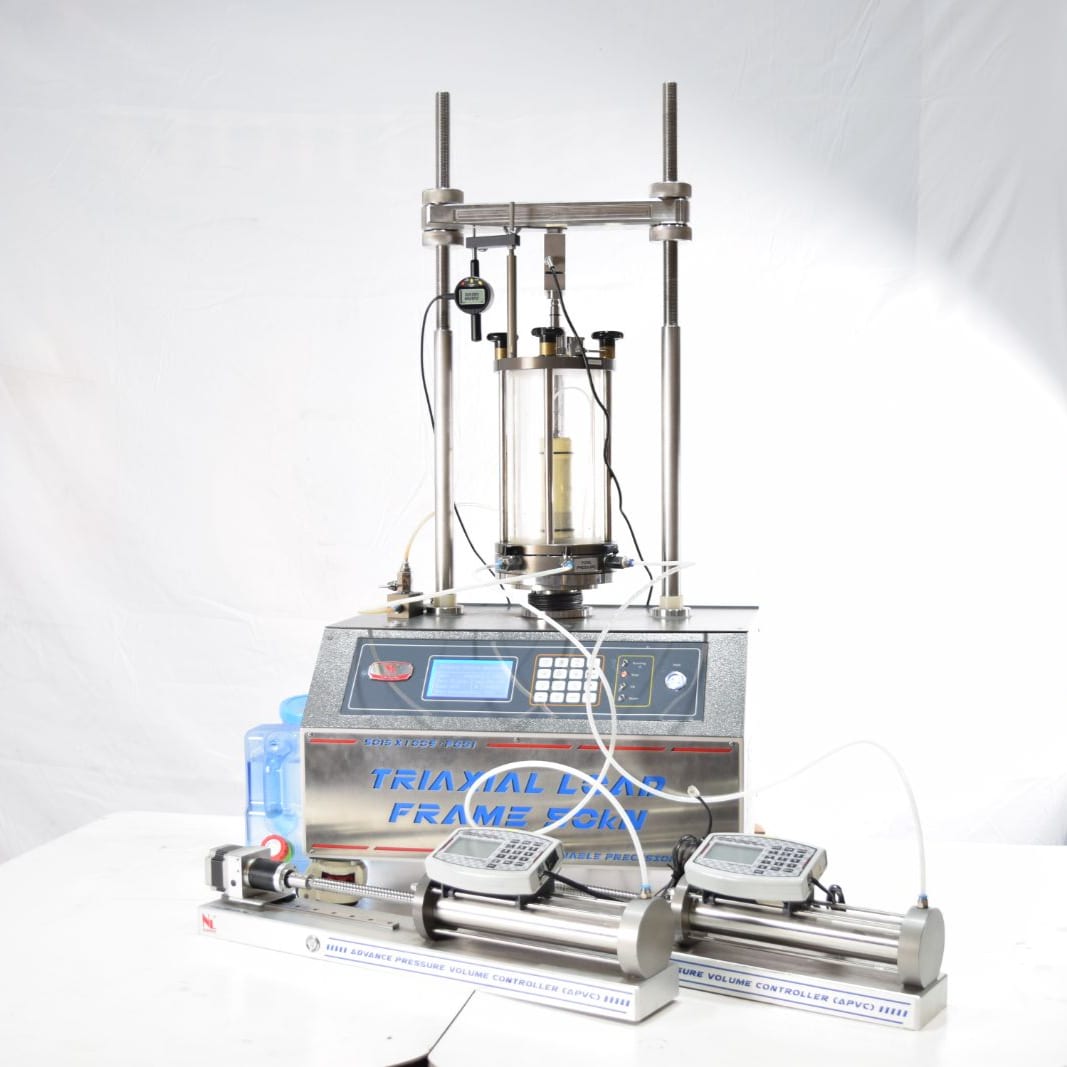
Triaxial Compression Test
Triaxial testing measures soil strength and stress–strain behaviour under controlled confinement. Drainage and consolidation conditions are selected for the investigation.
-
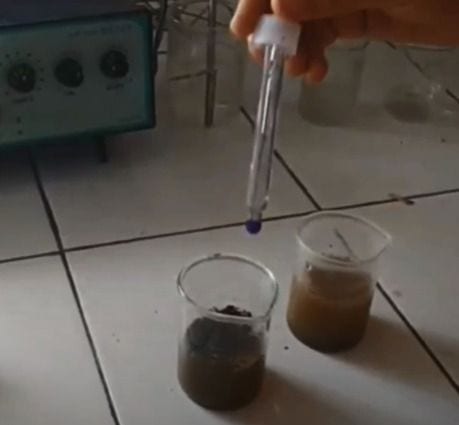
pH Value Test
Soil pH testing measures acidity or alkalinity. Results support chemical assessment of the ground alongside other relevant tests.